The Iran test
OCTOBER 2026
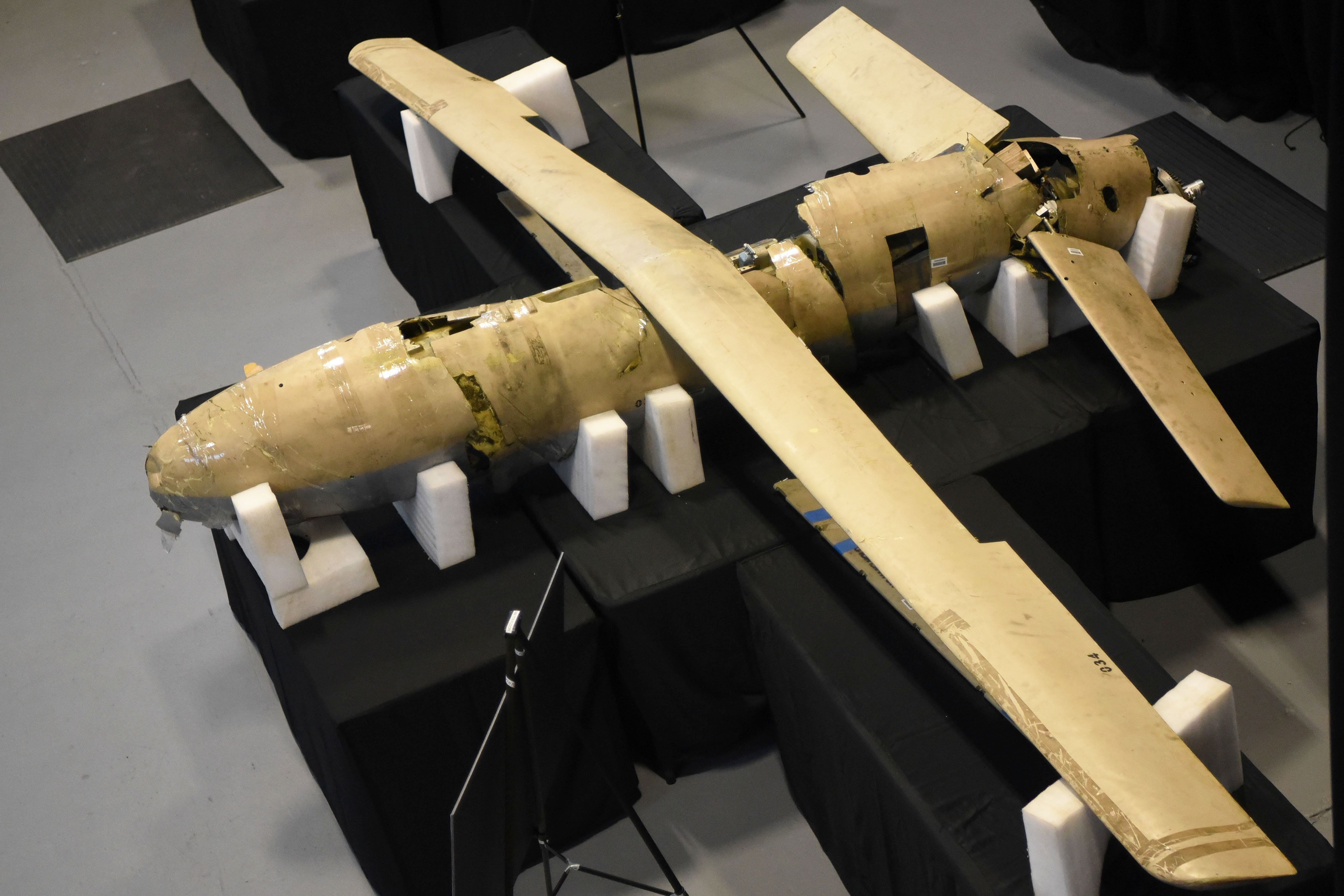
Iran has become an important case study in the growing use of inexpensive unmanned systems.
Imagine a future crisis in which hundreds of inexpensive unmanned aircraft begin moving toward a defended area.
Some carry sensors. Others are designed to create distractions. A smaller number carry weapons.
The objective is not necessarily to destroy the target immediately. Instead, the attacking force attempts to overwhelm the defender’s ability to identify, prioritize and respond to every aircraft.
Iran’s use of Shahed-series drones has made this problem visible to military planners around the world. The systems are relatively simple compared with advanced combat aircraft, but their low cost and availability make them useful for creating large numbers of threats.
The lesson is not that inexpensive drones are unstoppable.
It is that the defender needs a sustainable way to defeat them.
That means combining electronic warfare, short-range interceptors, guns, sensors and eventually directed-energy systems into a layered defense.
The future battlefield may therefore be defined by a simple question:
How much does it cost to defeat the threat?
Modern air defenses were designed around a different equation.
For decades, the primary concern was detecting and defeating relatively small numbers of sophisticated aircraft and missiles.
Drone warfare complicates that model.
A defender may detect an incoming system but still have to decide whether using an expensive interceptor is worth the cost.
That creates an opening for layered defenses.
Electronic warfare can disrupt communications or navigation. Guns and short-range interceptors can address lower-cost threats. Directed-energy systems could eventually provide another option.
The important development is not one magical counter-drone weapon.
It is a defense system capable of handling different threats at different costs.
That same principle is now being studied by militaries around the world.
Now add autonomy.
A drone can navigate independently, coordinate with other aircraft and continue operating when communications are disrupted.
That changes the problem for defenders. Instead of one remotely controlled aircraft, they could face networks of systems capable of adapting to changing conditions.
The technology remains imperfect, but the direction is clear. Cheap hardware, autonomy and mass production could give relatively small systems an outsized effect.
The question is no longer simply:
Can we build a better drone?
It is:
Can we build enough — and stop enough?