What it costs to stop a drone
OCTOBER 2026
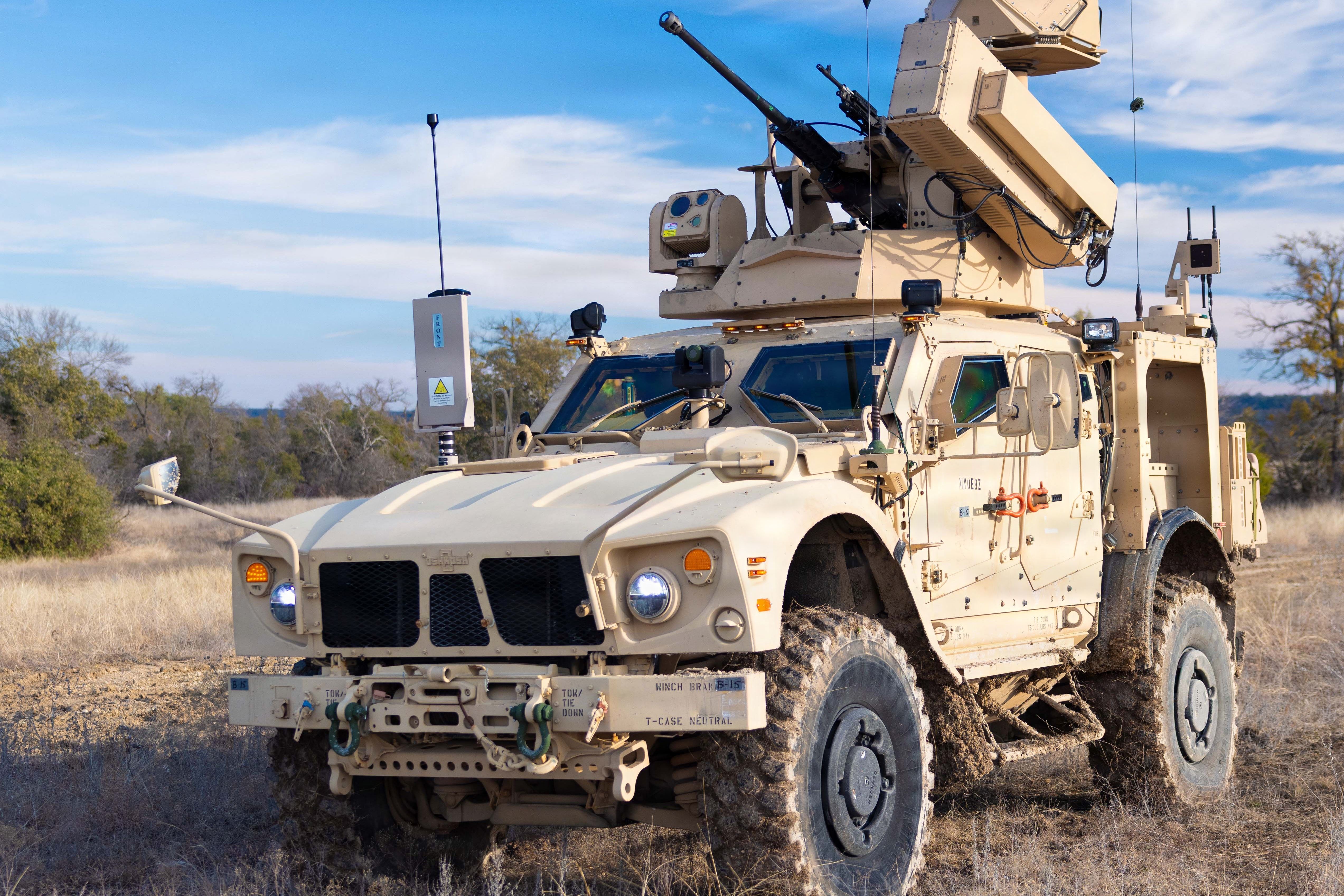
Cheap unmanned aircraft have created a difficult problem for modern militaries.
A drone that costs thousands of dollars can force a defender to consider using an interceptor worth far more. That equation is driving a new generation of counter-drone technology.
The economics of drone warfare are forcing militaries to rethink air defense.
A sophisticated missile interceptor can cost hundreds of thousands or even millions of dollars. A small unmanned aircraft may cost only a fraction of that.
That’s what makes low-cost interceptors, electronic warfare and directed-energy weapons increasingly attractive.
Instead of relying on one expensive solution, militaries are building layered defenses combining radar, electronic warfare, guns, missiles and emerging directed-energy systems.
The goal is simple: detect the threat early, identify it quickly and defeat it at an acceptable cost. The race is already underway.
The next arms race
As drones become cheaper and more autonomous, counter-drone systems will have to become cheaper and faster as well.
That creates a competition between offense and defense.
Every new drone capability creates demand for a new countermeasure.
Every new countermeasure encourages developers to modify the drone.
The cycle is already accelerating.
The advantage may belong to scale
A defense system that can defeat one drone is useful.
A system that can defeat hundreds is transformative.
The winning technology may not be the weapon with the greatest range.
It may be the one that can defeat the threat repeatedly without exhausting the defender’s budget.