The machines are connecting
OCTOBER 2026
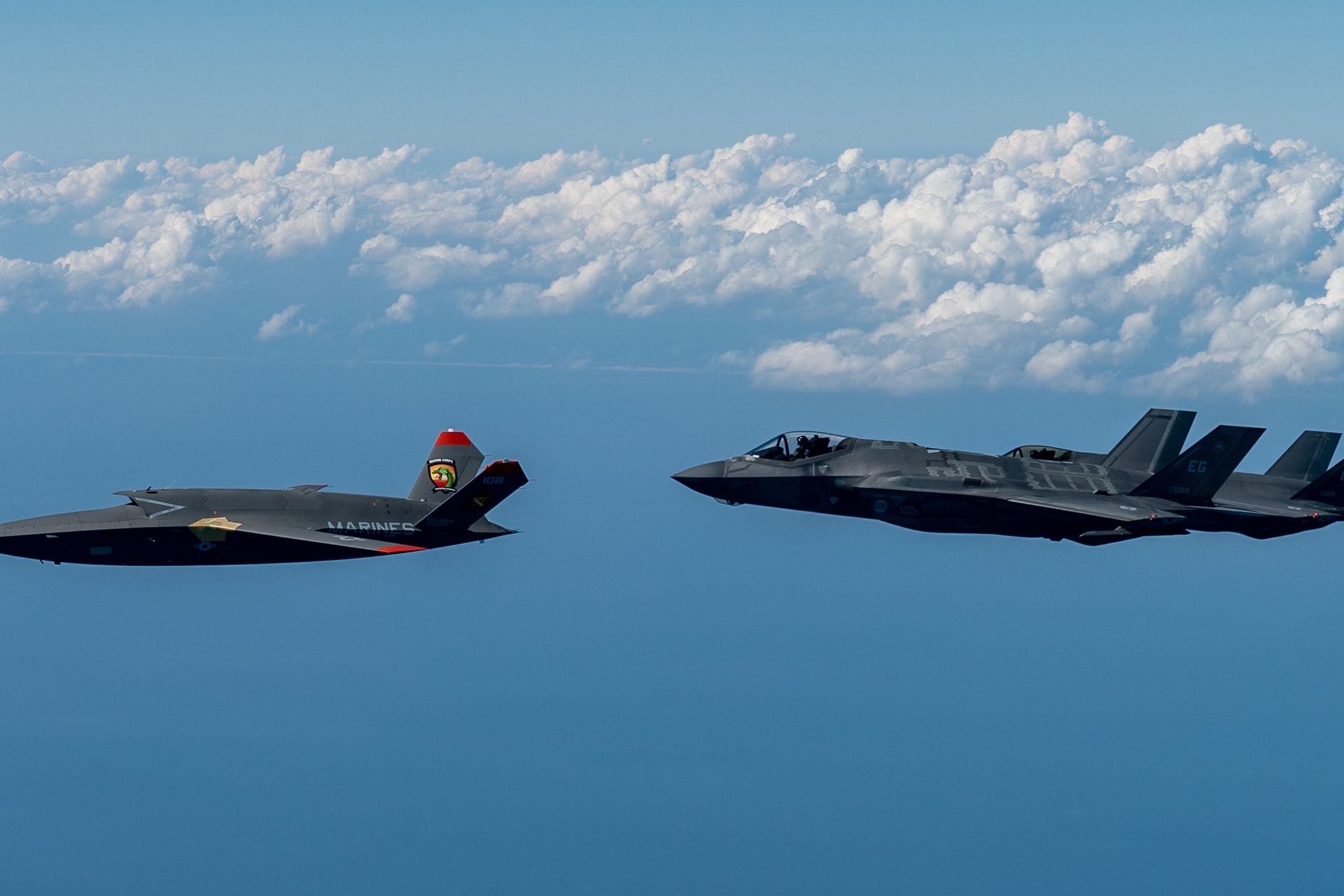
For decades, military technology was organized around individual platforms. A fighter flew a mission. A ship operated at sea. A drone provided surveillance. A missile waited for targeting information.
That model is changing.
Modern defense systems are increasingly designed to share information, coordinate actions and operate as part of a larger network.
An autonomous aircraft can extend the sensors of a crewed fighter. A drone can provide targeting information to a ship. A satellite can pass information to an aircraft operating hundreds of miles away.
The individual platform still matters. But the connections between those platforms may matter just as much.
This is where autonomy becomes particularly important. A network containing hundreds of systems cannot realistically depend on one person manually controlling every machine. Instead, software has to determine what information matters, which systems should respond and how those systems can work together.
Companies across the defense industry are building toward this idea.
Anduril is developing software intended to connect sensors, autonomous systems and operators. Shield AI is working on autonomous pilots capable of operating aircraft with reduced human input. Northrop Grumman’s YFQ-48A, a contender in the Air Force’s CCA program, is designed around the idea of crewed and uncrewed aircraft operating together.
The result could be a military force that behaves less like a collection of individual weapons and more like a single distributed system.
The advantage is not simply having more machines.
It is having machines that understand how to work together.