The new missile economy
OCTOBER 2026
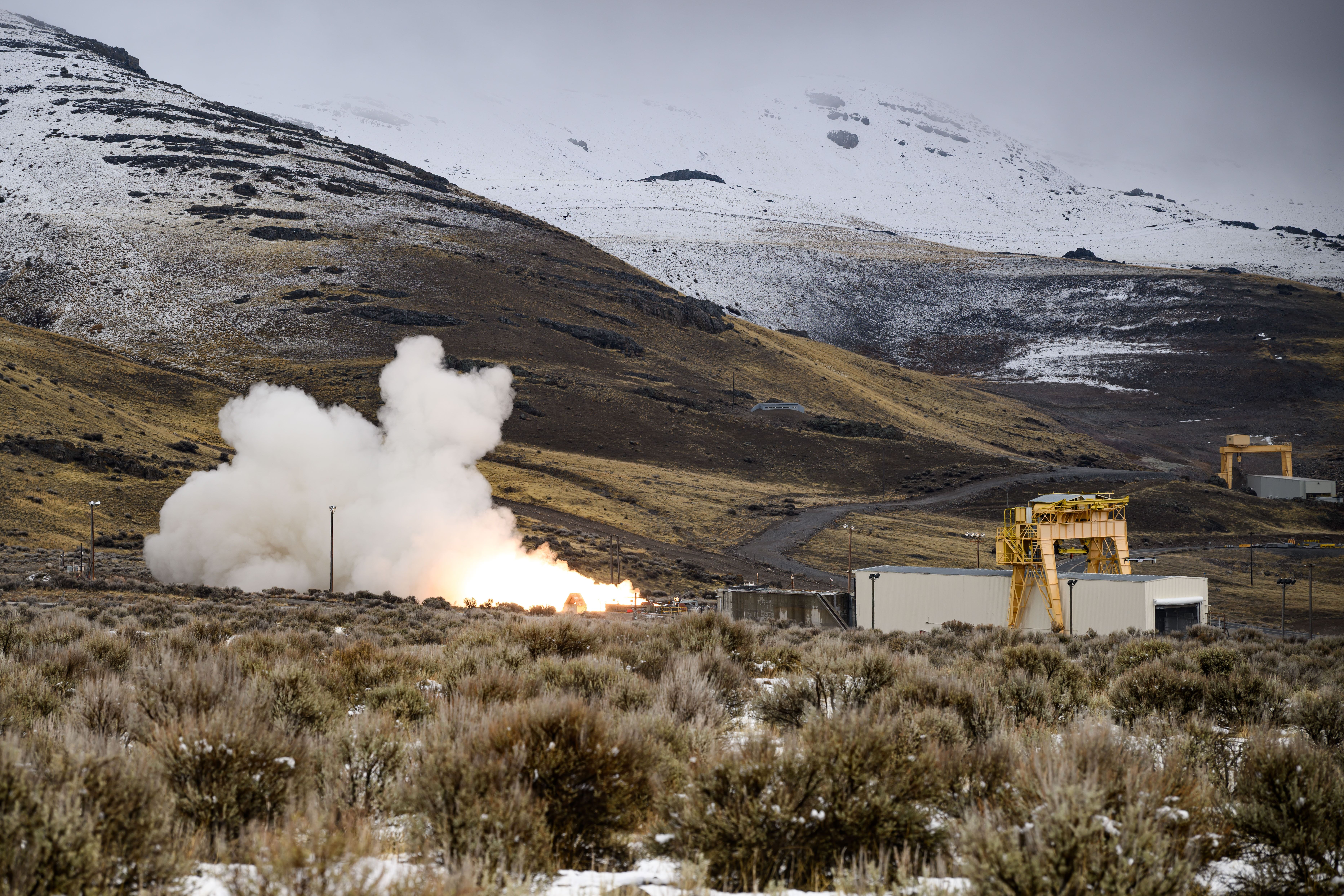
The software revolution gets most of the attention in defense technology, but some of the most important changes are happening inside factories.
Rocket motors are a perfect example.
For decades, advanced missiles were treated as expensive, limited-production weapons. A new generation of defense companies is challenging that model by designing systems around lower cost and faster production.
Castelion, Ursa Major and X-Bow Systems are among the companies trying to expand America’s ability to produce rocket motors and advanced weapons at scale.
The shift is about more than price.
A missile that costs less to produce can be manufactured in greater numbers, tested more frequently and replaced more quickly. That gives commanders more options while putting pressure on an opponent’s ability to defend against large numbers of threats.
Castelion has taken this philosophy particularly far, designing its Blackbeard hypersonic weapon around rapid testing and scalable production. The company is also building Project Ranger, a 1,000-acre manufacturing campus in New Mexico intended to support high-cadence production.
The larger question is whether the defense industry can move from building a handful of advanced prototypes to producing sophisticated systems at industrial scale.
For years, producing advanced propulsion systems has depended on specialized facilities, long lead times and a small number of established suppliers. New companies are trying to change that by using modern manufacturing techniques and vertically integrated production.
Ursa Major is developing solid rocket motors for multiple defense applications, while X-Bow Systems is pursuing additive manufacturing approaches for solid propulsion.
Castelion is taking a similar approach with hypersonic weapons, building propulsion and manufacturing capabilities alongside its weapons development.
The strategy is straightforward: design the system with production in mind from the beginning.
That philosophy could become one of the defining characteristics of the new defense industry.
The winners may not simply be the companies that build the most advanced weapon.
They may be the companies that can build it again tomorrow.