The electronic battlefield
OCTOBER 2026
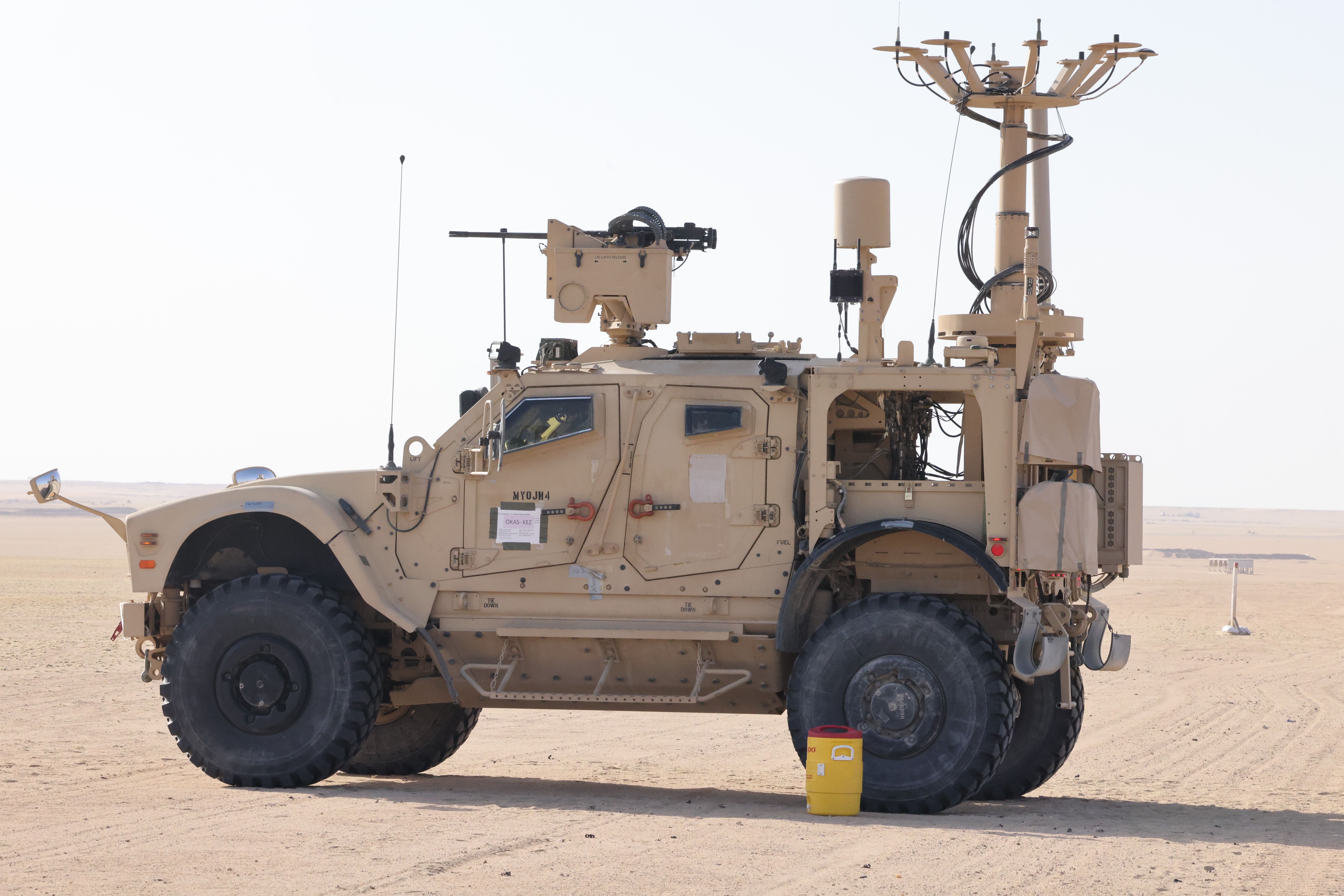
Modern warfare increasingly depends on something most people never see: the electromagnetic spectrum.
Every aircraft, drone, missile and command system depends on signals. Radios carry instructions. Satellites provide navigation. Radar detects threats. Data links connect machines across the battlefield.
Electronic warfare attacks those connections.
Jamming can interfere with communications or navigation. Deception can feed a sensor false information. Electronic intelligence can identify where an enemy is transmitting and reveal valuable information about its forces.
The result is a battlefield where controlling information can be just as important as controlling physical terrain.
Ukraine has demonstrated how quickly electronic warfare can evolve. Both sides have adapted their systems repeatedly as new drones, communications methods and countermeasures appear.
That creates a constant cycle.
One side develops a new signal. The other attempts to detect, jam or exploit it. The first side changes its system again.
For defense companies, this creates an unusual engineering challenge. A system that works perfectly today may become ineffective after an opponent changes its tactics.
That is why modern electronic warfare increasingly depends on software.
Software can be updated faster than hardware can be redesigned. New signals can be identified, new threats can be added and new countermeasures can be deployed without replacing an entire platform.
The electromagnetic spectrum has therefore become another contested domain.
The next battlefield may not begin with a missile launch.
It may begin with someone turning off the signal.